/hqhi98y1ls1j6pg807qxayg726ne)
/xhsbpf2am80yye57a5vwrr3en5t0)
Content
Every campaign has energy, but not all know how to turn it into a real connection. That’s where political outreach comes in. It’s what turns momentum into votes and keeps supporters engaged long after the rally ends.
Outreach isn’t about blasting messages. It’s about honest conversations with voters, volunteers, and neighbors. The best campaigns mix old-school organizing with new tools like Solidarity Tech to stay personal at scale, track every touchpoint, and keep the conversation going.
What is political outreach?
Political outreach represents the systematic process campaigns use to connect with voters and build the relationships that drive electoral success. At its core, political outreach focuses on personal communication rather than mass broadcasting.
The foundation of political outreach rests on direct conversation. Campaign volunteers and staff make phone calls, send text messages, knock on doors, and engage through social media to create genuine connections with individual voters. These conversations allow campaigns to understand voter concerns, share policy positions, and build trust over time.
Modern political outreach integrates multiple communication channels into coordinated campaigns. A voter might first encounter your campaign through a social media post, receive a follow-up text message, participate in a phone conversation, and eventually attend a local event. Each interaction builds on previous discussions and moves people toward deeper engagement.
Data drives effective political outreach by helping campaigns identify which voters to contact and when. Voter files contain information about registration status, voting history, and demographic details that help campaigns prioritize their outreach efforts. Campaign management systems track every conversation, allowing teams to personalize follow-up communications and measure the effectiveness of different approaches.
The persuasion component of political outreach helps campaigns change minds and build support through respectful dialogue. Rather than simply broadcasting messages, skilled organizers listen to voter concerns, provide relevant information, and help people understand how policy choices affect their daily lives.
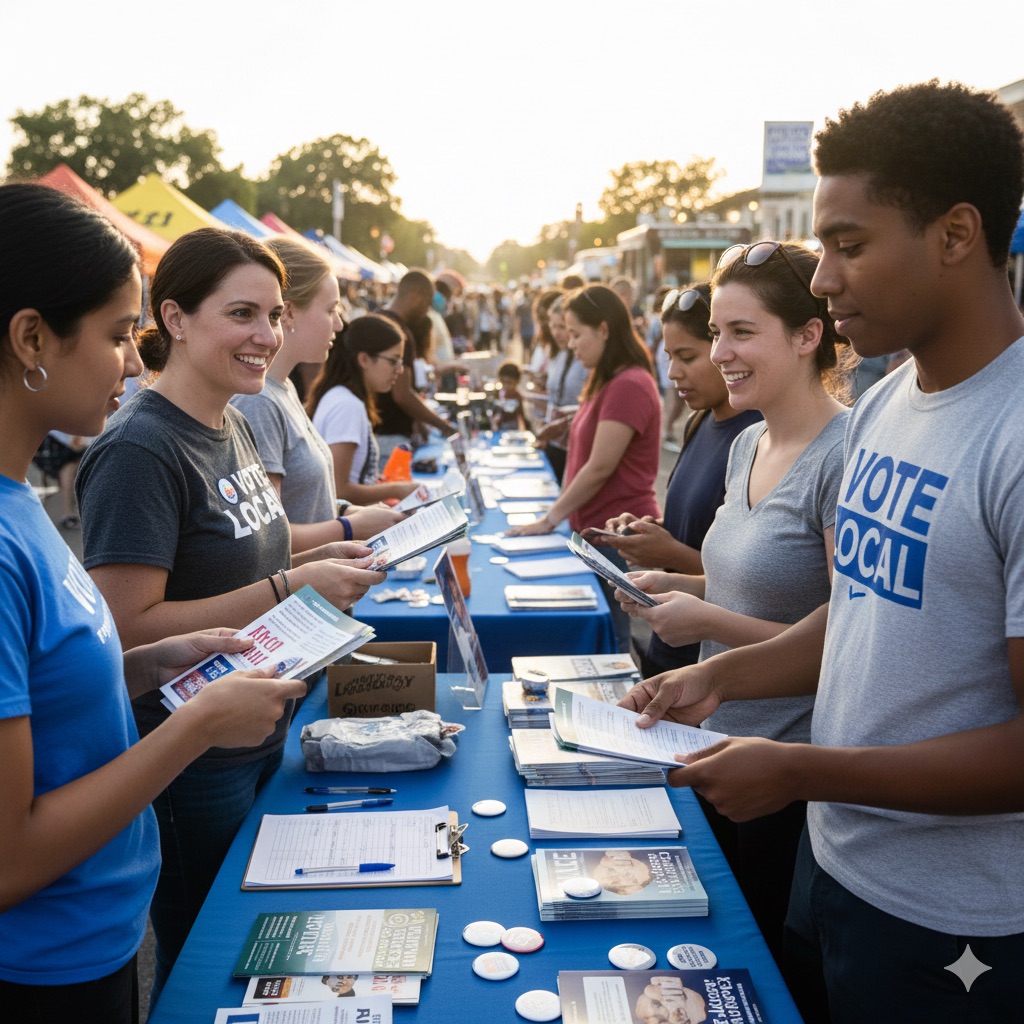
Why political campaign outreach drives voter turnout
Political outreach turns casual interest into action. Studies show that direct voter contact consistently boosts turnout compared to mass media alone.
Conversations build trust where ads can’t. When voters talk with campaign reps, they ask real questions, share concerns, and get answers right away. That two-way exchange builds relationships that motivate people to vote, and often volunteer.
Real-time feedback is another significant advantage. Every call, text, or doorstep chat reveals what matters most to local communities. Campaigns use that insight to refine messages, spot emerging issues, and respond fast to opposition attacks.
Outreach methods also deliver stronger engagement than traditional ads:
Phone calls: 15-25% response rate.
Text messages: 40-60% engagement.
Door-to-door canvassing: 60-80% contact rate; the highest, though more resource-intensive.
Key takeaways:
Engagement that counts: Personal outreach brings 3-5× more responses than mass ads.
Built-in trust: One-on-one conversations form lasting voter relationships.
Clear insight: Each exchange shows what voters care about and helps sharpen campaign plans.
Proven results: Personal contact can raise turnout by up to 8.7 points.
And the effect continues after election day. Strong outreach builds local networks that stay active and support future organizing and advocacy.
Planning effective political outreach campaigns
Every strong outreach effort starts with a clear purpose. When campaigns don’t define what success looks like, even the most passionate teams can lose direction.
Setting concrete goals keeps everyone aligned and focused. Maybe that means reaching 5,000 voters before election day, bringing in 50 new volunteers through phone banking, or gathering 200 signatures at local events. Whatever the numbers are, they give structure to the work and help teams measure progress.
With clear objectives in place, outreach stops being a series of disconnected actions. It becomes a coordinated strategy that moves the campaign forward.
Identifying target audiences
Effective political outreach requires knowing precisely who you want to reach and why. Voter segmentation divides potential supporters into groups based on shared characteristics, allowing campaigns to craft messages that resonate with each audience.
Voting history provides reliable segmentation data. Frequent voters who participate in every election respond differently from occasional voters who only engage during presidential races. New registrants often need basic voting information, while experienced voters want detailed policy positions.
Demographic analysis helps campaigns understand communication preferences. Younger voters typically respond well to text messaging and social media, while older voters prefer phone calls or in-person conversations. Geographic location affects which local issues matter most to different neighborhoods.
Issue priorities create powerful targeting opportunities. Healthcare advocates respond to different messages than environmental activists, even when supporting the same candidate. Education-focused voters want school funding details, while economic development supporters care about job creation policies.
Developing targeted messages
Message development transforms campaign positions into communications that motivate specific audiences to take action. Each voter segment needs messages that address their specific concerns while remaining consistent with the overall campaign themes.
Research what matters most to each audience through informal surveys, community meetings, and local news coverage. Messages become more effective when they address real concerns rather than assumptions about voter priorities.
Connect campaign positions to each audience's daily experiences. Healthcare messages for working families might focus on prescription costs, while the same healthcare platform could emphasize Medicare protection when talking to seniors. The policy remains consistent, but the presentation adapts to audience needs.
Local concerns provide opportunities to make messages more relevant. National issues matter, but voters connect more strongly with candidates who understand neighborhood challenges like traffic congestion or school overcrowding.
Essential methods for voter contact
Strong voter outreach uses multiple channels so people can connect in the way that works best for them. Teams that blend classic tactics with digital tools reach more voters and keep conversations moving.
Phone banking strategies
Phone banking opens direct, real-time conversations where voters can ask questions on the spot. Modern calling tools help volunteers stay organized, track outcomes, and keep each shift running smoothly.
Power dialers automate the calling process, moving volunteers from one call to the next without manual dialing. This technology increases conversion rates while reducing time spent on busy signals and disconnected numbers. Volunteers can complete 30-50 calls per hour using power dialer systems.
Predictive dialers maximize efficiency by connecting callers only to answered phones. The system dials multiple numbers simultaneously and routes responses to calls to available volunteers. Experienced phone bank teams can have 50-70 conversations per hour using predictive dialing technology.
Script development provides volunteers with talking points while allowing natural conversation flow. Effective scripts include campaign introductions, key policy positions, responses to common questions, and clear calls to action, such as voter registration or volunteer recruitment.
Text messaging and digital outreach
Text messaging pairs well with phone banking because it lets supporters read quick follow-ups on their own time. Political texts see 98% open rates compared with about 20% for email, which makes them strong for urgent updates.
Social platforms give campaigns a place to talk with supporters in real time. Facebook, Twitter, and Instagram make it simple to share updates, answer questions, and keep people connected as news breaks.
Email works well for longer updates, event details, and fundraising notes. The strongest email programs sort supporters by interest and send messages that match what each group wants to hear.
Using several digital channels helps campaigns meet people in the places they check most often. Some rely on email, others stay on social media, and many prefer quick text messages.
Door-to-door canvassing
Door-to-door canvassing is the most personal form of political outreach, bringing campaign representatives directly to voters' homes. Face-to-face conversations allow for in-depth discussions of local issues and give voters the opportunity to ask detailed questions.
Community events provide natural opportunities to meet voters in comfortable settings. Farmers' markets, town festivals, and neighborhood gatherings allow campaign representatives to have informal conversations with people who might not attend political rallies.
Safety planning matters for canvassing, especially in unfamiliar areas or after dark. Strong programs send volunteers out in pairs, set simple check-in steps, and make sure teams carry charged phones and emergency contacts so everyone stays safe.
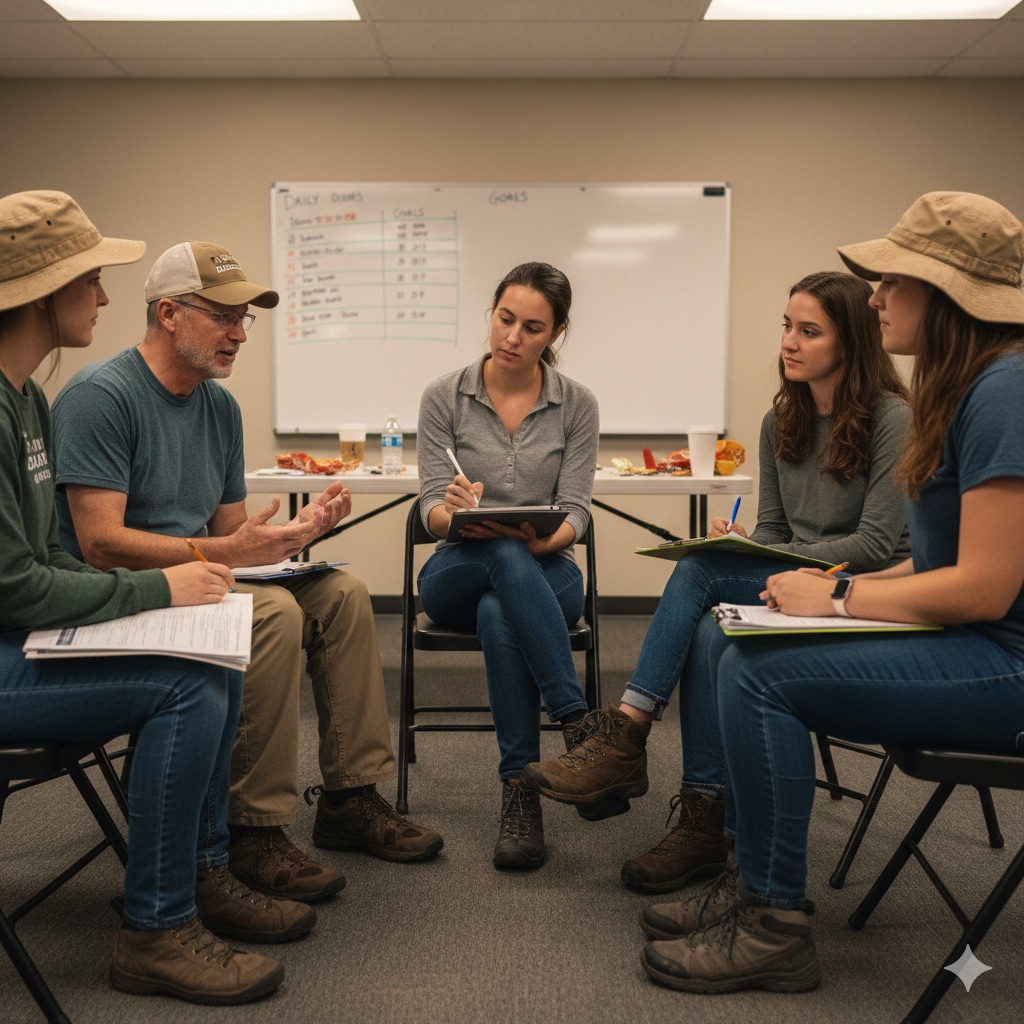
Training prepares volunteers for effective door-to-door conversations by covering key messages, common voter concerns, and respectful dialogue techniques with people holding different political views.
Using data to improve outreach effectiveness
Data-driven political outreach helps campaigns identify the right voters to contact and track which methods work best. Modern campaigns collect information from every interaction to build comprehensive voter profiles and improve targeting over time.
Building voter databases
Voter files serve as the foundation for campaign data operations, containing names, addresses, phone numbers, and voting history for registered voters. State election offices provide these files, which campaigns update regularly to capture new registrations and address changes.
Campaign-generated data supplements official voter files with information collected through outreach activities. When supporters sign up at events, make donations, or volunteer for phone banks, this engagement data gets added to voter database records.
Contact information requires regular maintenance to remain accurate. Phone numbers change, people move, and email addresses become inactive over time. Campaigns that update databases monthly see 15-20% higher contact rates than those using outdated information.
Targeting and personalization
Geographic targeting allows campaigns to focus outreach on specific neighborhoods or voting precincts where their message will have the most tremendous impact. Campaigns often prioritize high-turnout areas where small vote margin changes can affect election outcomes.
Behavioral data reveals patterns in how different groups respond to various outreach methods. Some audiences respond better to morning phone calls, while others prefer evening contact. Weekend text messages work well for specific demographics but generate complaints from others.
Message customization uses database information to create communications that feel personally relevant. Basic personalization includes using names and referencing neighborhoods, while advanced personalization addresses specific interests supporters have expressed in previous conversations.
How Solidarity Tech Helps Campaigns Run Better Political Outreach
Campaign groups often juggle outreach across several channels while keeping up with thousands of one-on-one conversations. Solidarity Tech offers a single platform built for organizing that helps teams manage these moving parts and stay coordinated.
Unified communication management
The platform combines phone banking, P2P text messaging, and email campaigns into a single system, eliminating the need to switch between tools during outreach.
All communications use your organization's dedicated phone number, creating consistent branding regardless of which team member handles the interaction.
Multi-channel outreach allows campaigns to communicate via email, SMS, and phone calls from a single platform. Each communication automatically logs to supporter profiles, creating complete interaction histories without manual data entry.
Segmented messaging filters supporters by any criteria, including workplace, language preference, or engagement level. Campaigns can send targeted communications to specific audiences with relevant information, rather than generic broadcasts.
Predictive dialer capabilities
The predictive dialer technology maximizes volunteer efficiency by connecting callers only to answered phone calls. The system simultaneously dials multiple numbers for each volunteer and routes answered calls to available team members, eliminating time spent on voicemails and busy signals.
Mobile-first design allows volunteers to participate in phone banks from anywhere using smartphones. This distributed approach removes geographic barriers and scheduling constraints that limit traditional phone banking operations.
Three different calling modes accommodate various campaign needs. One-to-One phone banks assign specific supporters to individual volunteers for relationship building, Power Dialer automates calling for faster list completion, and Predictive Dialer handles high-volume operations efficiently.
Event coordination tools
Event management handles the complete lifecycle of political outreach events from planning through follow-up. Organizers can create recurring events, manage multiple sessions, and coordinate both in-person and virtual gatherings through one system.
RSVP management combines public event pages with internal invitation tracking. Campaigns can monitor attendance plans while enabling easy sign-ups for supporters who discover events through social media or word of mouth.
Automated messages take care of routine event details without pulling staff away from other work. Attendees get confirmation emails with calendar links, day-before reminders, and follow-ups, all shaped to match the campaign’s style.
Performance tracking and reporting
Team Activity reports track volunteer performance with metrics on calls made, texts sent, and events organized. Campaign staff can access activity reports for their volunteers, helping provide coaching and maintain accountability across distributed teams.
Campaign performance measurement tracks the effectiveness of organizing efforts with metrics on outreach attempts, response rates, and conversions. Reports show which messages and tactics generate the most supporter participation.
Assessment tracking follows how supporters move through different engagement levels over time, helping campaigns identify which outreach tactics successfully develop new leaders and build lasting organizational capacity.
Measuring political outreach success
Effective measurement helps campaigns understand which outreach methods work best and where to focus limited resources. Tracking specific metrics allows organizers to make data-driven decisions about strategy adjustments.
Key performance indicators
Contact rates show how often outreach turns into real conversations. Phone calls usually land at 15-25%, text messages at 40-60%, and door-to-door efforts at 60-80%.
Response rates go a step further by tracking helpful engagement, not just answered calls or opened emails. Strong outreach programs often see 40-50% of contacted supporters share useful details or express interest in getting involved.
Conversion rates measure movement from initial contact to concrete actions, such as volunteering, donating, or committing to vote. High-performing campaigns see conversion rates of 8-12% from phone conversations to volunteer sign-ups, contributing to the record 15 billion political texts sent during recent election cycles.
Analyzing outreach data
Looking at where responses come from shows apparent differences across neighborhoods. Rural areas often pick up the phone more, while urban areas lean toward text messaging and social platforms.
Age groups respond differently, too. Voters under 35 usually reply to texts 40-60% more than calls; voters over 55 flip that trend, with stronger engagement through phone conversations.
Timing also matters. Weekday evenings tend to bring in more volunteer sign-ups, while weekend afternoons work better for voter persuasion calls.
Strategy optimization
Resource reallocation based on performance data helps campaigns maximize impact with limited volunteer time and budget. When phone banking shows higher conversion rates than email for volunteer recruitment, successful campaigns shift resources toward phone-based outreach.
Message refinement uses response data to improve talking points and communication strategies. A/B testing different script versions provides concrete data for optimization decisions rather than relying on assumptions.
Channel optimization focuses volunteer efforts on communication methods that work best for specific goals and audiences. Campaigns might use phone calls for voter persuasion while relying on text messages for event reminders and get-out-the-vote efforts.
Building sustainable outreach programs
Long-term political outreach success requires building systems that maintain supporter relationships between election cycles. Sustainable programs create ongoing community capacity for democratic participation rather than just short-term voter contact.
Community connections form the foundation of lasting political outreach programs. Campaigns that invest in local relationship building create networks of engaged citizens who remain active in civic life after elections end. These connections become infrastructure for future organizing efforts and policy advocacy.
Maintaining supporter databases between elections preserves the relationships and information gathered during campaign periods. Organizations that keep databases current see 40-50% faster mobilization times when new campaigns or issues emerge.
Training program development creates standardized approaches to political outreach that work across different campaigns and communities. Organizations that document effective techniques can scale their impact and help other groups implement similar programs.
Cross-campaign teamwork lets groups share tools, training, and volunteer lists so they can reach more people without wearing supporters out. Labor unions, environmental groups, and advocacy teams that plan outreach together share the workload and expand their reach. Strong tech systems also help by keeping supporter records and activity history in one place between elections, giving teams a steady way to stay connected with people from one cycle to the next.
Political outreach remains the foundation of successful democratic engagement, transforming individual conversations into coordinated movements that drive real change. Whether you're running a local campaign or building a national organization, the principles of personal connection, strategic targeting, and systematic follow-up create the relationships that win elections and build lasting political power.
Frequently asked questions about political outreach
How can small campaigns conduct effective political outreach with limited budgets?
Small campaigns can run effective outreach by leveraging volunteers and free tools. Social media, email, and peer-to-peer texting help you reach supporters without ad spend, while house gatherings and neighborhood events create warm, in-person conversations at no cost. This mix keeps your message moving and helps you connect with voters even on a tight budget.
What makes political outreach different from regular marketing or advertising?
Political outreach is for starting a conversation. Instead of pushing information one way, it focuses on real dialogue and relationship building. That back-and-forth gives campaigns valuable insight into what voters care about, helping them adjust strategies in real time. More importantly, it builds connections that last well beyond a single election.
Which communication methods work best for reaching different types of voters?
Different groups respond to different kinds of outreach. Younger voters, especially those between 18 and 35, tend to engage more through text and social media, where quick, personal messages feel natural. Older voters are more likely to connect through phone calls or face-to-face conversations. Those in between often prefer a mix.
read more
Explore More Political Campaign Insights
From voter mobilization to digital outreach and field organizing, explore proven strategies and tools to run winning political campaigns.
/17ekrpkabj06veecgl6593rlovb8)
What is Voter Mobilization and How to Build Winning Campaigns
/sryqsy9wae9x4nqzo5uh5x4x3iug)
Voter Engagement Strategies to Turn Supporters Into Voters
/un3yzlndd826pfwyq23gw0hwkg9m)
How to Run a Political Campaign and Build Winning Coalitions
/rg3je983hg533r15u99wd0lxegy3)
What is the Best CRM For Political Campaigns?
/qqios2543v381msoxds027upes5j)
What is Political P2P Texting? Key Insights for Campaigns
/5sohnghcoe874wjfw12wrlcib2z9)
Political Technology Examples and Effective Campaign Tools
/nm24s13y8g3ds1myqi5afp7ptazl)
How to Build Political Campaign Websites That Win Support
/z60bjj3d9ie3nbhsk7mr0fupbmwa)
What is Political Phone Banking? How Campaigns Build Power