/pclw97movigbu9zz6w8z1kwlm5rd)
/ctwap9iag7gjesumn33dinxcyici)
Content
Getting people to vote takes more than reminders and social posts. Turnout continues to fall, trust in politics runs low, and organizers have to do more with fewer resources.
Voter engagement is the antidote. It’s the work of helping people register, understand the issues, and cast their ballots, combining grassroots organizing with digital tools that make participation easier and more personal.
Done right, it’s building relationships that keep communities engaged long after the polls close.
What is Voter Engagement?
Voter engagement is everything we do to help more people take part in elections and stay involved between them. It covers the full cycle:
Registering new voters so they can be part of the process.
Educating communities about issues, candidates, and how voting works.
Mobilizing supporters to actually turn out and vote.
Following up to keep those relationships alive after election day.
The difference between voter engagement and a simple turnout push is the scope. Turnout gets your supporters to the polls. Voter engagement builds participation across the whole community, including people who’ve never voted or have stopped believing their vote matters.
And even in a digital world, nothing beats personal contact. A real conversation at the door, on the phone, or even by text does more to move people than any ad campaign ever will.
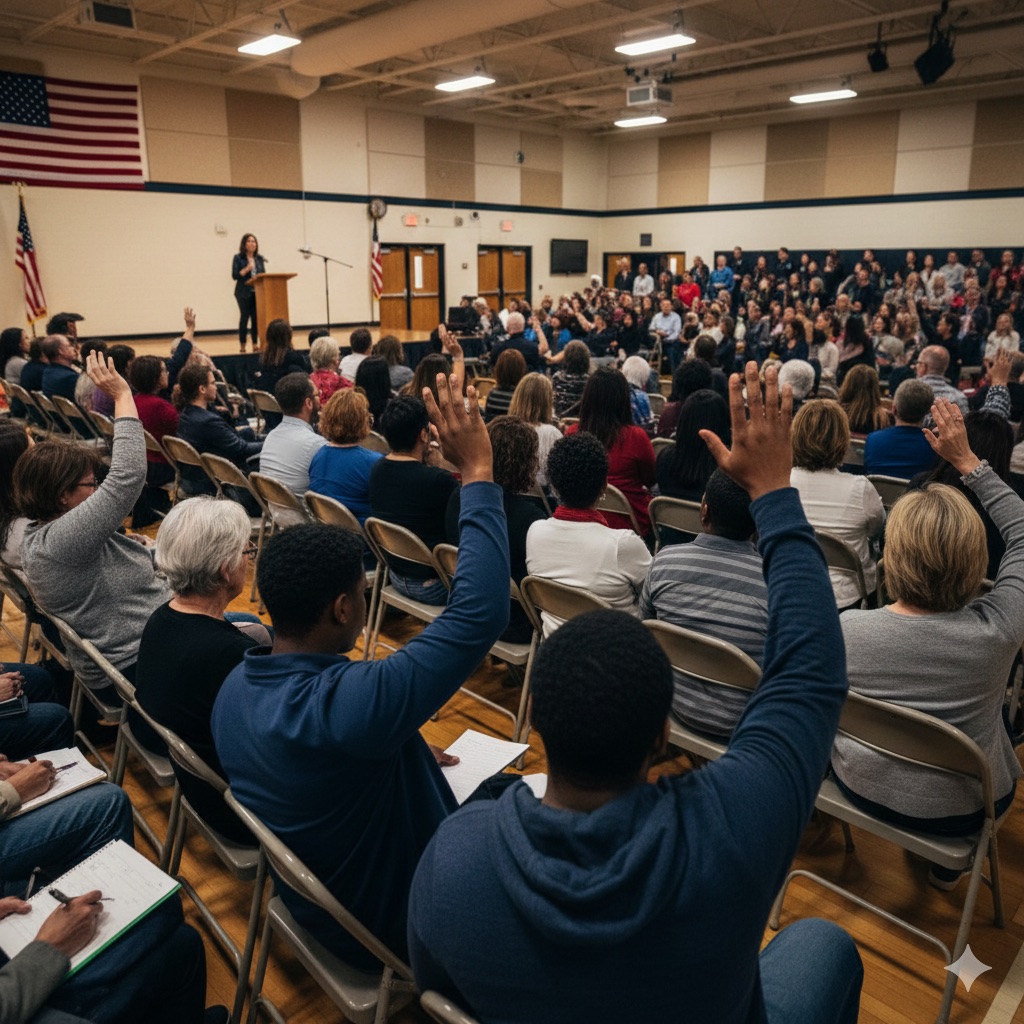
Proven Strategies That Increase Turnout
Research shows that the most effective voter engagement campaigns rely on three core strategies: Get-Out-The-Vote efforts, targeted outreach to underserved communities, and clear voter education.
Get-Out-The-Vote (GOTV) Campaigns
A strong GOTV program starts about 3-4 weeks before election day and ramps up as voting begins. The goal is simple: reach your known supporters and make sure they actually cast a ballot.
The most successful campaigns layer different types of contact:
Phone calls work best for early outreach and meaningful conversations.
Text messages deliver quick reminders and polling details in the final days.
Door-to-door canvassing creates the strongest personal connection but requires more volunteer time.
Timing matters. Research from the Analyst Institute found that voter contact made 1-2 days before an election drives the biggest turnout boost. Early outreach helps with education and logistics; last-minute reminders get people to the polls.
Target Underserved Communities
Communities with historically low turnout often face barriers that generic outreach misses: language barriers, transportation issues, trust issues, or simply a lack of information.
Start by studying past election data to find neighborhoods or demographic groups with below-average participation. Then, focus on trusted messengers: community organizers, faith leaders, union stewards, or local businesses already active in those spaces.
In multilingual areas, make materials accessible. Provide voter information in multiple languages and recruit bilingual volunteers to answer questions directly. Even small translation efforts can make a measurable difference in turnout.
Provide Voter Education
Many eligible voters skip elections because they feel unprepared or confused about what’s on the ballot, especially local races and ballot measures. Clear, practical education removes that hesitation.
Effective voter education does three things:
Explains the process (how, when, and where to vote)
Clarifies what’s on the ballot (who’s running and what the measures mean)
Makes the experience familiar (share sample ballots so voters know what to expect)
A simple, well-designed voter guide that compares candidates side by side can replace hours of research and boost confidence at the polls.
Removing Common Barriers to Participation
Even the best voter engagement plan can fall short if it doesn’t tackle the real obstacles that keep people from voting. From registration issues to transportation gaps, removing these barriers is where outreach makes the biggest difference.
Registration Challenges
Registration deadlines block thousands of voters every cycle. The solution: start early and keep going. Don’t save registration drives for the last week.
Online registration is the fastest option, available in 40 states and Washington, D.C. It takes about 3 minutes, compared to 10 or more for paper forms.
Frequent movers (students, renters, and military families) often show up at the polls with outdated registrations. Regular reminders to update information prevent those lost votes.
Language and Cultural Barriers
Language barriers keep millions of eligible voters from participating in the process. Even where bilingual materials aren’t legally required, many communities still need them.
Provide translated materials, bilingual volunteers, and interpreters at polling sites. Partner with local leaders and organizations who already have trust in these communities.
Culture matters, too. Some groups respond better to outreach through churches, unions, or local businesses than through traditional campaign channels. Match your approach to the audience.
Accessibility and Transportation
Transportation and accessibility problems quietly suppress turnout every year. Rural areas, seniors, and voters with disabilities are hit hardest.
Set up volunteer driver networks or partner with ride-sharing services to help people reach polling places. Despite ADA laws, over 80% of polling places still have access barriers: steps, ramps, or equipment issues. Check sites early and flag problems before election day.
Support absentee and mail voters with clear instructions and deadlines. Walk them through the process if needed; a few minutes of help can secure a vote that might otherwise be lost.
Digital Organizing and Modern Outreach
Digital tools supercharge the fieldwork. The best campaigns mix high-tech systems with high-touch organizing to reach more people without losing the personal connection.
Phonebanking: Modern systems now use predictive dialers that skip busy signals and unanswered calls. Volunteers only connect when someone picks up, turning hours of ringing into real conversations. On average, predictive dialers triple the number of calls a volunteer can complete in the same time.
Texting: Peer-to-peer texting lets volunteers send hundreds of personalized messages while still chatting one-on-one. It’s fast, direct, and human, and it works. These texts see 15-20% response rates, compared to just 3-5% for automated blasts.
Email: Email still drives action when it’s done right. Skip the one-size-fits-all blasts. Segment your list by voting history, interests, or location so messages actually match what people care about. Campaigns that send targeted emails on Tuesday mornings see about 23% higher open rates than weekend sends.
Social media: The goal isn’t just posting; it’s getting supporters to share. Give them something useful: personalized registration links, early voting info, or reminders they can pass along to friends. Shared posts build far more engagement than generic “Go Vote!” graphics.
And when all of this connects, the results compound. Campaigns that contact voters through multiple channels see turnout increase by more than two percentage points on average.
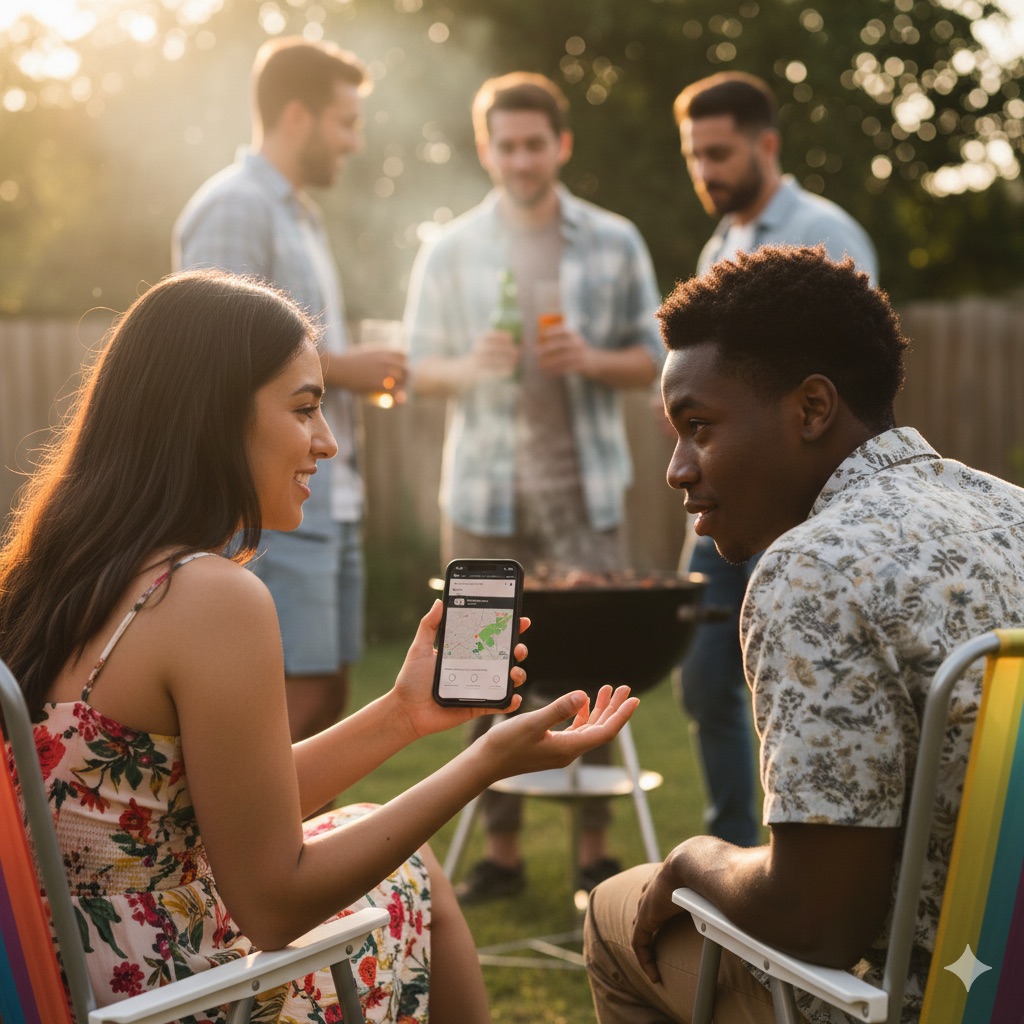
How Solidarity Tech Helps Voter Engagement
Running voter engagement across multiple communities usually means juggling a dozen tools: one for calls, another for texts, another for volunteer tracking. Solidarity Tech brings everything into one place so campaigns can focus on organizing, not data cleanup.
The platform’s predictive dialer connects volunteers only when someone actually picks up. No more wasted time on rings or voicemails. Once connected, the volunteer instantly sees the voter’s info and past interactions, making each call more personal and productive.
With Multi-Channel Outreach, teams can email, text, and call supporters from the same dashboard. Every conversation (no matter the channel) automatically logs to the voter’s profile, creating a complete contact history without manual updates.
Segmented Messaging makes targeting simple. Campaigns can send tailored outreach by language, voting history, or location, helping reach communities that are often left out. Whether you’re contacting first-time voters or reminding reliable supporters, each group gets the right message in the right language.
For events, the built-in Event Management tools handle everything from sign-ups to follow-ups. Organizers can track RSVPs, send automatic reminders, and record attendance, and every attendee’s information flows straight into the GOTV contact lists for future outreach.
Finally, Multilingual Support ensures every voter receives messages they understand and trust. Reaching people in their preferred language isn’t just good practice; it’s essential for inclusive participation.
With everything connected, Solidarity Tech helps teams reach more voters, reduce errors, and turn outreach into real turnout.
Building Long-Term Civic Participation
Effective voter engagement extends beyond individual elections to create sustained civic participation. Year-round organizing builds the relationships and civic habits that translate into consistent voter turnout.
Between elections, issue-based organizing keeps supporters engaged in local politics. Zoning fights, school board decisions, and city budget priorities give people concrete ways to see how civic engagement affects their daily lives.
Volunteer development programs train supporters to become organizers themselves. People who learn organizing skills through issue advocacy become experienced volunteers who can run phone banks, coordinate events, and recruit new supporters for future elections.
Coalition building creates the political infrastructure needed for major policy wins. When environmental groups, labor unions, faith communities, and neighborhood associations work together, they can advance shared priorities more effectively than any single organization.
Civic education programs in schools and community organizations help build lifelong voting habits. Research shows that people who participate in mock elections or civic education programs are more likely to vote throughout their lives.
Start Building Stronger Voter Engagement
Successful voter engagement combines proven organizing strategies with tools that help you reach more people efficiently. The campaigns that consistently increase turnout use systematic approaches to registration, education, and mobilization while addressing the specific barriers their communities face.
Your voter engagement efforts work best when all outreach channels connect to create comprehensive supporter relationships. Phone calls, text messages, emails, and face-to-face conversations become more effective when they build on one another rather than operate in isolation.
Modern organizing platforms eliminate the inefficiencies that drain campaign resources. When your voter contact data updates automatically, triggers follow-up communications, and schedules callback reminders, your team spends more time having conversations and less time managing spreadsheets.
Ready to strengthen your voter engagement programs? Schedule a demo to see how Solidarity Tech's organizing platform can help you reach more voters, coordinate volunteers effectively, and build the civic participation your community deserves.
Frequently Asked Questions about Voter Engagement
How far in advance should voter engagement campaigns begin?
Effective voter engagement campaigns start 6-12 months before major elections, with voter registration drives beginning as early as possible to meet state deadlines and allow time for multiple contact attempts.
What voter engagement method produces the highest return on investment?
Peer-to-peer outreach through existing supporters typically delivers the best results, as personal recommendations from friends and family carry more influence than contact from strangers or paid advertising.
How can small organizations run effective voter engagement programs?
Small organizations achieve significant impact by focusing on their immediate geographic area, leveraging volunteer networks for personal outreach, and using integrated technology platforms to maximize efficiency without requiring a large staff.
What metrics indicate successful voter engagement efforts?
Key success indicators include voter registration numbers, volunteer participation rates, contact completion percentages, and increases in voter turnout among target demographics compared to previous similar elections.
How do voter engagement strategies differ for different demographic groups?
Effective strategies vary based on cultural communication preferences, language needs, trusted-messenger relationships, and the specific barriers each group faces, requiring customized approaches rather than one-size-fits-all programs.
read more
Explore More Political Campaign Insights
From voter mobilization to digital outreach and field organizing, explore proven strategies and tools to run winning political campaigns.
/alcxvpi0ul82n1iho3p4hgmas4n2)
What is Voter Mobilization and How to Build Winning Campaigns
/7nj9oxcrac0v3no5ufvqx1v1ug4a)
How to Run a Political Campaign and Build Winning Coalitions
/hva7c9hj5b3ao8hx3gjayoiqhn4c)
What is the Best CRM For Political Campaigns?
/2g5wx58xrulhg25diz5v270d7acz)
What is Political P2P Texting? Key Insights for Campaigns
/znwzovqu8rhyvtzoumork7ltpal0)
Political Technology Examples and Effective Campaign Tools
/q0ew6186f7j4s2fw007lj972ftos)
How to Build Political Campaign Websites That Win Support
/b3h63gafisjaygfqd20fygqv51tk)
How to Use Political Outreach for Stronger Campaign Engagement
/492g2sd903svtjk1im5olmrmhq8e)
What is Political Phone Banking? How Campaigns Build Power