/y5tbv84axo25tqxlmans0kxqtmeo)
/1nabn06erjfeucbf6r3m96t5pr2y)
Content
You just got fifty new volunteer sign-ups from last night's rally. Amazing.
But here's the part nobody talks about: most of them won't show up for a second shift. Not because they stopped caring about the cause. Because something went wrong between their sign-up and their first real experience with your campaign.
Volunteer onboarding isn't a formality. It's the single biggest predictor of whether someone becomes a one-and-done or a ride-or-die organizer who's still making calls at 9 PM on Election Eve. And if you're running a political campaign, getting this right is non-negotiable.
We've watched campaigns onboard over 100,000 volunteers using the principles in this guide.
The ones that nailed their political campaign volunteer onboarding kept people. The ones that didn't? They burned through sign-ups like kindling. Let's talk about how to be the first kind.
Why Volunteer Onboarding Makes or Breaks Your Campaign
Here's a stat that should keep every campaign manager up at night: according to AmeriCorps' 2024 research, over 75.7 million Americans formally volunteered in 2023 - a record-breaking 28% of the population - but retention rates across volunteer organizations still hover around 65%. That means about a third of the people who show up once never come back.
For political campaigns, the numbers are even worse. The compressed timeline and high-pressure environment mean you're often losing volunteers after a single shift.
Research on volunteer retention consistently shows that the first volunteering experience is the strongest predictor of long-term commitment; satisfaction during a volunteer's initial engagement is the single biggest driver of whether they return. Volunteers who feel welcomed, prepared, and valued during that first shift are dramatically more likely to come back.
Every volunteer who walks through your door got there because something moved them. Your onboarding process is where you either honor that momentum and channel it into something lasting, or let it dissipate into awkward silence and confusion. The best campaigns treat onboarding as the critical bridge between the energy that brought someone to the signup page and the organized power that wins elections.
The Real Cost of Getting It Wrong
If your campaign signs up 500 new volunteers over a month but loses 40% after the first shift, that's 200 people gone. Multiply that across the entire campaign cycle. You're not just losing bodies - you're losing the calls they would've made, the doors they would've knocked, the friends they would've recruited.
Organizations that invest in structured volunteer onboarding consistently see significantly higher retention than those that rely on informal approaches — a pattern supported by the 65% average retention rate in the nonprofit sector, where programs with formal onboarding, role matching, and follow-up routinely outperform those without.
That's the difference between having enough volunteers to win and scrambling to fill shifts on the final weekend.
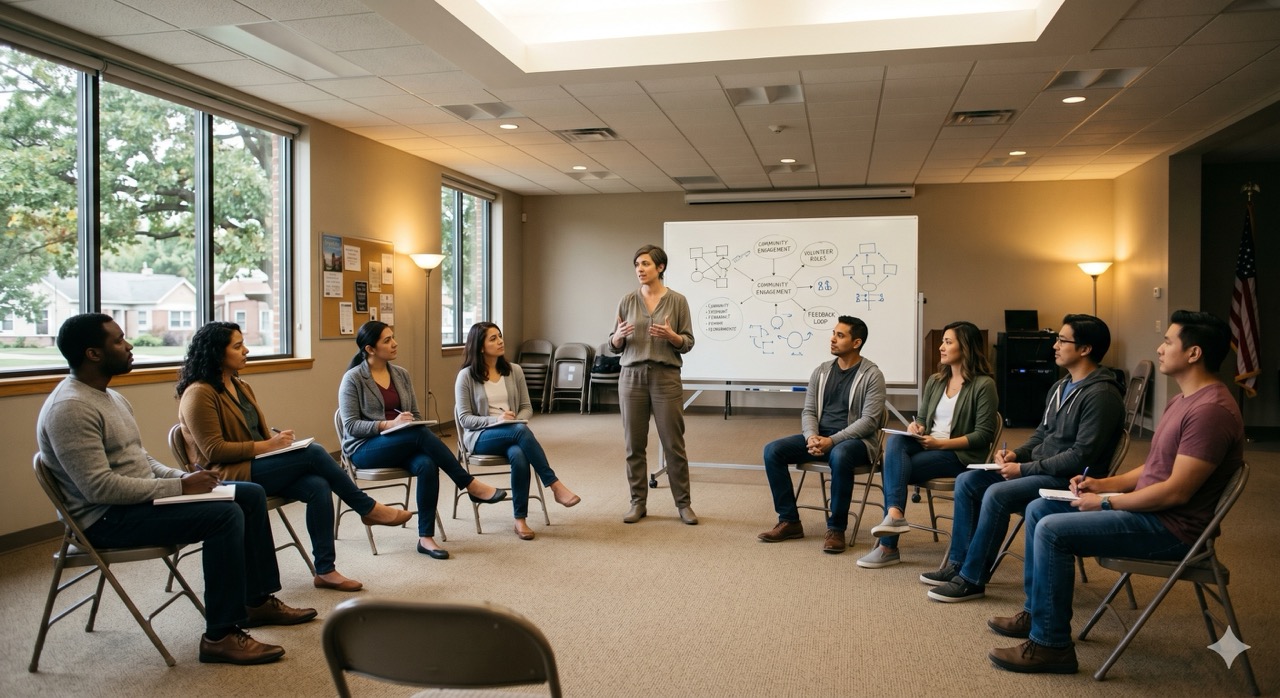
The First 48 Hours: Your Critical Onboarding Window
The window between when someone signs up and when they complete their first shift is where most campaigns lose people. It's make-or-break.
Before They Arrive: Pre-Shift Communication
The onboarding process starts the moment someone signs up - not when they walk through the door. Within hours of signing up, every new volunteer should receive:
A personal welcome message - not a generic auto-reply. Use their name. Acknowledge that they're giving their time.
Clear logistics - where to go, when to be there, what to bring, where to park. Remove every possible source of anxiety about showing up.
A brief overview of what they'll be doing - just a two-sentence description. "You'll be making calls to voters in District 5 alongside a team of other volunteers. We'll walk you through everything when you arrive."
A point of contact - a name and number of someone they can text if they get lost or have questions.
Setting up automated welcome sequences can handle the logistics side. But the personal touch - a quick text from their assigned buddy - is what turns a sign-up into someone who actually shows up.
The Welcome: Making First Impressions Count
When a new volunteer walks through the door, the first three minutes set the tone. This is where many campaigns blow it - the volunteer arrives, nobody knows they're coming, and eventually someone hands them a clipboard and points at a phone.
Here's what those first three minutes should look like:
Someone greets them by name. Check your sign-up list before shifts start.
Introduce them to one specific person - their buddy or team lead.
Give them a 60-second orientation. Bathrooms, snacks, Wi-Fi, where to put their stuff.
Explain the "why" before the "what." Before training them on the script, take 30 seconds to explain why these specific calls matter right now.
During the Shift: Guided, Not Thrown In
The worst thing you can do to a new volunteer is hand them a task and walk away. New volunteers need a guided first experience:
Pair them with an experienced volunteer who can answer questions in real time.
Start them with a low-stakes version of the task. If they're canvassing, have them shadow someone first. If they're phonebanking, let them listen to a couple calls.
Check in after the first 20 minutes. A quick "How's it going?" shows you care about their experience.
Celebrate small wins. "Nice work on that one - you're a natural" costs nothing and means everything.
From the very first shift, you're placing volunteers on a development ladder from newcomer to confident contributor to potential leader. Good onboarding shows them the rungs above them.
For phone banking, having a solid calling system that's intuitive for first-timers reduces the learning curve significantly.
After the Shift: The Follow-Up That Keeps Them Coming Back
Within two days of their first shift, every new volunteer should receive:
A personal thank-you - text, call, or email. Reference something specific: "Thanks for making those calls tonight - we reached 47 voters because of your team."
An impact update - "Your canvassing team talked to 120 households today."
An invitation to their next shift - with a specific date, time, and role. Don't say "hope to see you again!" Say "We'd love to have you back Thursday at 6 PM. Can I save you a spot?"
A chance to share feedback - "How was your first experience? Anything we can do better?"
Campaigns that use organizer experience tools for systematic follow-up see noticeably higher return rates. Don't let post-shift silence stretch out - the longer you wait, the more that initial enthusiasm fades.
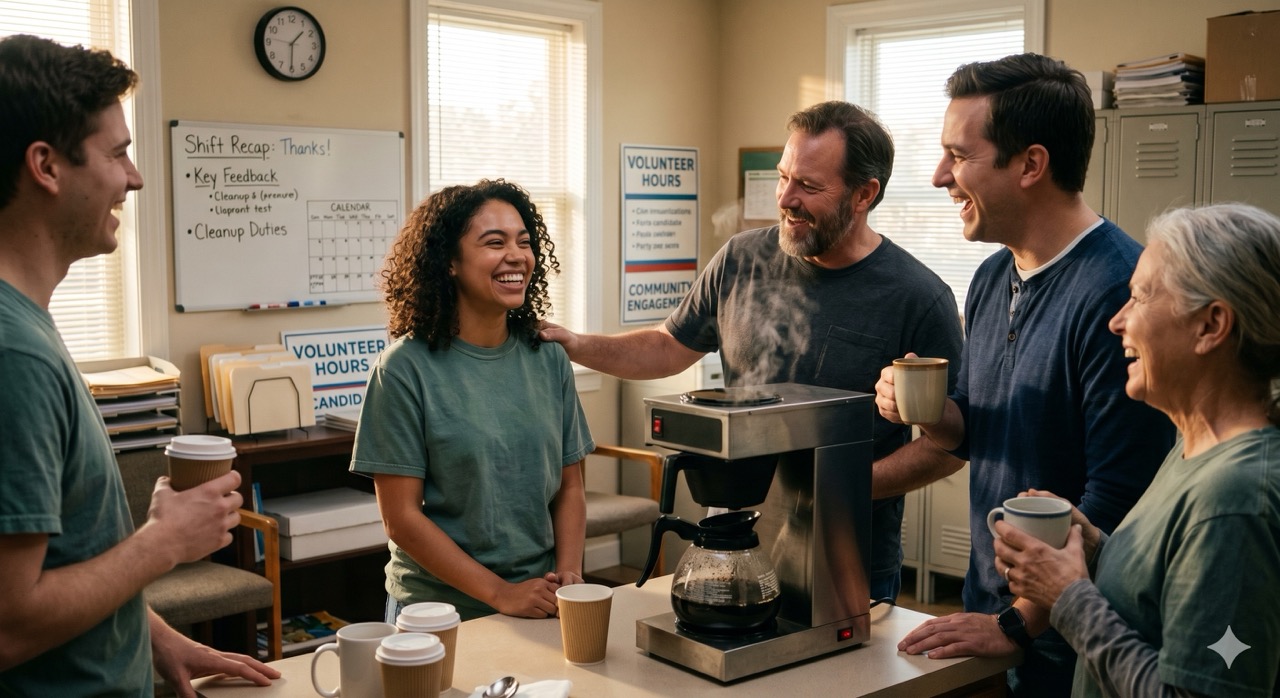
Building a Volunteer Onboarding System
Random acts of onboarding don't scale. If you want consistent results, here are the five building blocks.
Step 1: Create a Welcome Packet (Keep It Short)
Your welcome packet should fit on a single page. Include:
Campaign mission statement - three sentences max.
Key dates - election day, major events, deadlines.
Who to contact - name, phone, and role of their volunteer coordinator.
What to expect - common volunteer roles and what a typical shift looks like.
Campaign culture norms - how you treat each other, how you treat voters.
Resist the urge to cram in policy details or candidate bios. There's time for that later.
Step 2: Assign a Buddy or Mentor
This is the single highest-impact thing you can do for new volunteer retention. Your buddy system should work like this:
Every new volunteer is paired with a returning volunteer before they arrive.
The buddy greets them when they walk in and stays close for the first shift.
The buddy checks in afterward - a quick text that evening or next morning.
The buddy is their go-to for questions during their first few shifts.
Step 3: Set Clear Expectations (Without Overwhelming)
New volunteers need to know three things on day one:
What they'll be doing today - the specific task, tools, and time commitment.
What success looks like - "If you make 15 calls tonight, that's a great first shift."
What happens if something goes wrong - who to ask for help, what to do if a voter gets upset.
Effective volunteer programs prioritize "just-in-time" training over front-loaded information dumps — giving people what they need for today's task and layering in context over subsequent shifts. Give people what they need to succeed today.
Step 4: Provide Role-Specific Training
A canvasser doesn't need to know how the phone bank software works. Train people for what they're actually going to do, not for every possible thing they might eventually do.
Step 5: Collect Feedback After the First Shift
After every new volunteer's first shift, ask: What went well? What was confusing? Would you recommend this to a friend? This feedback shows volunteers their experience matters and gives you data to continuously improve your onboarding process.
Onboarding for Different Volunteer Roles
Canvassers
Canvassing is the most intimidating role for most people. Onboarding priorities:
Shadow walks first. Pair new canvassers with experienced ones for their first 5-10 doors.
Script practice. Role-play a friendly interaction and a difficult one.
Safety briefing. What to do if they feel unsafe, always having a phone charged.
Route logistics. How to use the turf-cutting map or app.
Debrief after. Always debrief new canvassers after their first outing.
Phone Bankers
Phone banking has a lower barrier to entry, but the rejection rate can be brutal. Priorities:
Tech setup. Walk them through the phone banking platform before calls start.
Script read-through. Read the phone banking script together.
Handling rejection. Normalize it. "Most calls will go to voicemail or get a quick no. That's normal."
Buddy listening. Have them listen to 2-3 calls first, then swap.
Text Bankers
Priorities:
Platform walkthrough. Show them the interface and how to tag responses.
Response guidelines. Common questions, when to escalate, how to handle hostile replies.
Volume expectations. Let them know how many conversations they'll manage simultaneously.
Pre-written response templates. A cheat sheet of approved answers builds confidence fast.
Event Volunteers
Clear role assignment. Greeting, setup, sign-in, or sound? Don't leave it vague.
Event timeline. When to arrive, what happens when, when they can leave.
Point of contact. Who's running the event?
Talking points. If voters or media approach them, what should they say?
Data and Admin Volunteers
System access and training. Walk them through whatever CRM or database they'll use.
Data handling guidelines. What's confidential? Protocol for corrections or duplicates?
Quality standards. What does "good enough" look like?
How their work connects to the campaign. Show how clean data translates into better political outreach and smarter targeting.
Common Onboarding Mistakes (And How to Fix Them)
Mistake 1: Information Overload on Day One
You want volunteers to understand the full picture, so you front-load a 45-minute orientation before they ever make a call. The result? Glazed eyes and people who don't come back.
The fix: Limit day-one information to what they need for today's task. Layer everything else in over subsequent shifts.
Mistake 2: No Follow-Up After First Shift
The shift goes fine. The volunteer seems happy. And then nothing. Consistent post-engagement communication is one of the top drivers of volunteer retention.
The fix: Assign someone - or set up an automated sequence - to send a personal thank-you within 24 hours and a next-shift invitation within 48 hours.
Mistake 3: One-Size-Fits-All Training
A retired teacher and a college sophomore have very different comfort levels and learning needs.
The fix: Offer role-specific training tracks. Within those tracks, give people choices. "Would you prefer to shadow someone first, or jump in with a buddy nearby?" Autonomy builds confidence.
Mistake 4: Not Connecting Work to Impact
Volunteers come back for meaning, not tasks. If all they experience is "dial these numbers," the work feels transactional.
The fix: Close every shift with impact. How many voters did the team reach? How does tonight's work fit into the bigger goal? When volunteers can see a path from where they are now to taking on more responsibility, they're not just doing tasks - they're growing.
Campaigns that invest in leadership development pathways see volunteers who don't just stick around - they recruit others.
Using Technology to Streamline Onboarding
Technology doesn't replace human connection in onboarding. But it can handle the logistics so your people can focus on the human stuff.
Here's where tech helps most:
Automated welcome messages that go out instantly when someone signs up.
Role assignment workflows that route new sign-ups to the right training track.
Digital training materials volunteers can review before their first shift.
Follow-up reminders that ensure no new volunteer slips through the cracks.
Feedback collection that automatically surveys new volunteers 24-48 hours after their first experience.
Platforms like Solidarity Tech are built specifically for this kind of campaign workflow - handling the automated sequences and role routing so coordinators can spend their time on the handshake, the buddy pairing, and the post-shift debrief that actually keep people coming back.
The best campaigns use technology to guarantee the logistical basics happen every single time. Then they layer on the personal touches that make each person feel individually valued. That combination - reliable systems plus genuine human warmth - is what scaled to onboard over 100,000 volunteers.
How Solidarity Tech Streamlines Volunteer Onboarding
Onboarding is where campaigns either activate volunteers or lose them. The goal is to move someone from sign-up to first meaningful action without delays or confusion. Solidarity Tech is the all-in-one political campaign platform designed to structure that process.
Immediate response after sign-up - New volunteers don’t wait for manual follow-up. As soon as they sign up, the system can send a welcome message, confirm their registration, and share clear next steps. This removes the most common drop-off point, silence after sign-up.
Early contact before the first shift - Before a volunteer shows up, coordinators can reach out through calling or texting. This helps answer questions, confirm details, and make the first interaction more personal, increasing the likelihood that the volunteer actually attends.
Full context for every follow-up - Each volunteer has a single profile that includes sign-up source, communication history, and activity. When you follow up, you know exactly who they are and what they’ve done so far, which makes onboarding feel intentional instead of generic.
Reminders that reduce no-shows - Automated reminders before a shift help close the gap between RSVP and attendance. Volunteers are reminded at the right time without requiring manual coordination from organizers.
Feedback after the first experience - Onboarding doesn’t end after one shift. The system can trigger follow-up messages or feedback requests, helping campaigns understand the volunteer’s experience and address issues early.
Final Thoughts
Great political campaign volunteer onboarding isn't a checklist; it's the first chapter of a relationship. Every person who walks through your door got there because something moved them to act, and your process determines whether that spark becomes a lasting commitment or fades after one shift.
Welcome people by name, pair them with a buddy, connect their work to real impact, and follow up fast. Get those fundamentals right, and your volunteers won’t just come back. They’ll grow into organizers who recruit others, take ownership, and carry the work beyond a single election.
read more
Explore More Volunteer-Powered Campaign Resources
From door-to-door canvassing to digital organizing, discover how candidates build movements one volunteer at a time.
/fu841s6pkabjidgf4gzbrrm4qvln)
What is Political Volunteer Management? Key Principles for Campaign Success
/20znzk1dkhv29rxh9b4cjtwhtdzr)
How to Get Volunteers for Political Campaigns: Proven Strategies
/aqb5my5ez6es1ywh1cgdizog3w4q)
How to Volunteer for a Political Campaign and Make a Real Impact
/e1sdqvpmb3ftht5zyx5svityknms)
What Do Political Campaign Volunteers Do? Roles & Responsibilities
/n32zdwo2689v09b0j80oq4103s3w)
8 Political Campaign Volunteer Retention Strategies That Actually Work
/5jb90fpbnydqcmgxx0n215s6r1s2)
How Youth Volunteering Can Uplift Your Election Campaigns
/zrjramwzi67rhbnuh741hlvmjr01)
How to Measure Political Campaign Volunteer Effectiveness
/qz71a1l0p505vftml7toa410cucw)
7 Effective Strategies for Communicating with Political Volunteers