/8bu5s2ezzcv615ux3zo1xw4l9qft)
/nnfn3r4uc0t4ds5zn1kk35eh33os)
Content
You spent weeks recruiting volunteers. They showed up for the first canvass, maybe the second. Then they stopped answering texts. Their shift sign-ups went blank. And by the time your campaign needed them most, they were gone.
Sound familiar? Political volunteer turnover is one of the most expensive, least-discussed problems in campaign organizing. Many campaigns lose a significant share of their volunteer base within the first month; often, far worse than the nonprofit sector's roughly 35% annual attrition rate. That's not just a scheduling headache - it's a strategic crisis. Every volunteer who walks away takes institutional knowledge, community relationships, and momentum with them.
But here's what most campaign managers get wrong: volunteer retention isn't a tactics problem. It's a culture problem. And culture determines whether you’re running a campaign or building civic infrastructure that lasts beyond Election Day. Until you fix the culture, no amount of pizza parties or thank-you emails will stop the bleeding.
This guide breaks down political campaign volunteer retention strategies that go beyond surface-level tips. We're talking about building the kind of organizing culture where people don't just show up - they stay, they grow, and they bring their friends.
Why Campaigns Lose Volunteers and What to Do About It
Before we talk solutions, let's be honest about what's going wrong.
The Extraction Problem
Most campaigns treat volunteers like a resource to be extracted. Do you need 200 doors knocked? Great, plug warm bodies into those slots and push.
This approach works for about two weeks. Then people start feeling like a number - like their time is being used, not invested. Like the campaign cares about what they can produce, not who they are. And they leave.
AmeriCorps' Volunteering and Civic Life research found that 75.7 million Americans formally volunteered in 2023. Separately, the national average volunteer retention rate across nonprofits sits at roughly 65% year over year, meaning about one in three volunteers doesn't return. In political campaigns, where engagement is shorter and more intense, that number is often worse. Experience across campaigns consistently shows that those with no structured retention plan lose volunteers at far higher rates than those that invest in one.
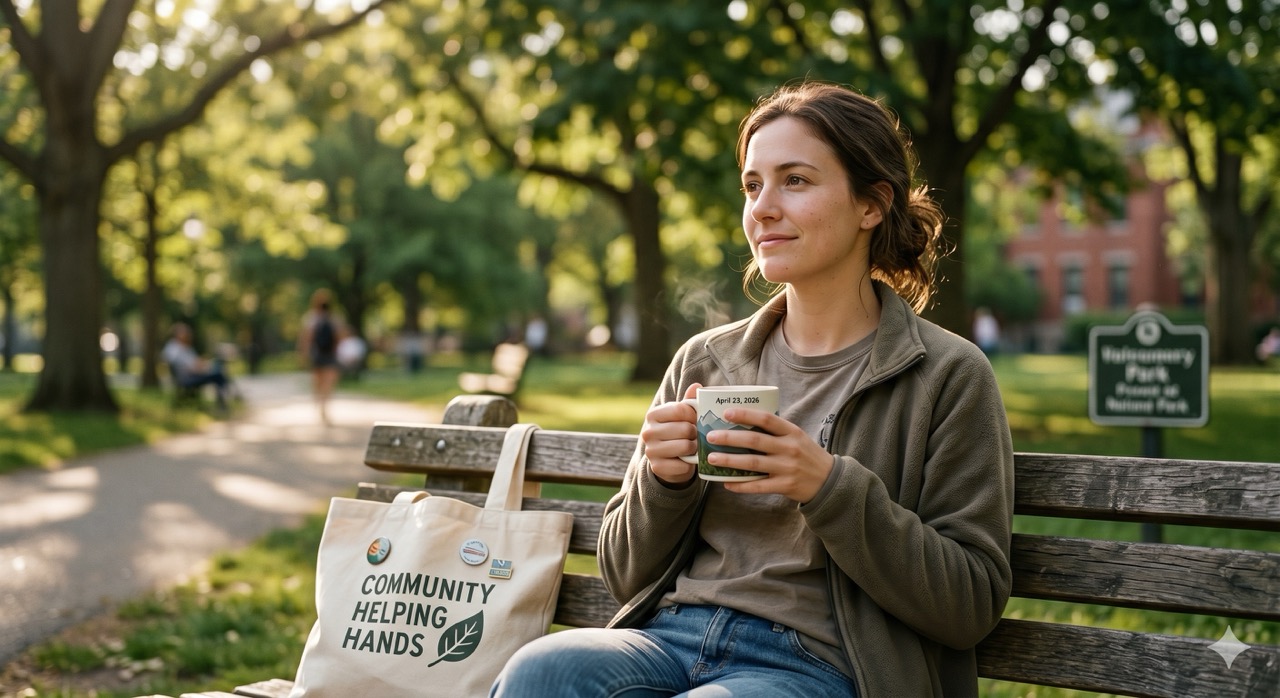
Common Mistakes That Drive Volunteers Away
No clear role definition. Volunteers show up, and nobody knows what to do with them.
All tasks, no training. You throw people into phonebanking with zero preparation.
Radio silence between shifts. If the only time you contact volunteers is when you need something, you've told them exactly what the relationship is.
Ignoring capacity limits. Asking a parent of three to commit to 15 hours a week isn't ambitious - it's tone-deaf.
No connection to impact. Volunteers who never see how their work matters will eventually decide it doesn't.
Every one of these mistakes has the same root cause: optimizing for output, not for people.
The Two Cultures of Volunteer Management
Every campaign, whether they realize it or not, operates in one of two cultures.
Culture of Extraction
In a culture of extraction, volunteers exist to serve the campaign's needs. Communication flows in one direction. Roles are assigned based on what needs to be filled, not on what the volunteer is good at. There's no development pathway, no community - just work.
The telltale signs:
Volunteers are contacted only when shifts need filling
No feedback loop - volunteers never hear how their work mattered
Training is minimal or nonexistent
High performers get rewarded with more work, not more responsibility
Social connection between volunteers is accidental, not designed
Campaigns that operate this way burn through people fast and almost never build the deep organizing infrastructure that wins tight races.
Culture of Connection
A culture of connection flips the script. The campaign still has goals, but the volunteer experience is designed around growth, belonging, and meaning.
In this model:
Volunteers are matched to roles that fit their skills and interests
There's a clear development ladder - from first-timer to team lead to staging host
Community building is intentional, not incidental
Communication is two-way and consistent
Impact is visible and celebrated
This model produced hundreds of volunteers stepping into leadership roles in the Mamdani campaign, not through some clever hack, but because the organizing culture invested in people.
8 Retention Strategies That Build Lasting Commitment
These political campaign volunteer retention strategies aren't isolated tactics - they're building blocks of a connection culture.
1. Match Volunteers to the Right Roles
Not everyone wants to make phone calls. Some people thrive at event planning, others want to knock doors, and some want to write postcards at their kitchen table at 10 PM.
The fastest way to lose a volunteer is to shove them into a role they hate. Instead, have a real conversation during intake. Ask what they're good at, what they enjoy, and what they want to learn. Those 10 extra minutes per volunteer pay enormous dividends in satisfaction and retention.
2. Create a Clear Development Pathway
People stay where they're growing. Think of it as a volunteer development ladder:
Level 1: New Volunteer. Shows up, follows instructions, gets supported.
Level 2: Experienced Volunteer. Takes on more complex tasks, starts mentoring new arrivals.
Level 3: Team Lead. Manages a small group, runs a shift, facilitates a phone bank.
Level 4: Staging Host / Area Captain. Owns a geographic area, recruits and develops their own team.
Level 5: Campaign Leadership. Sits in strategy meetings, shapes the organizing plan.
When volunteers can see the ladder, they stay. This isn't just good for retention. It's how you run a political campaign that builds power beyond a single election.
3. Invest in Meaningful Onboarding
Your volunteer's first experience sets the tone for everything. Great onboarding includes:
A warm welcome. Someone greets them by name. Introduce them to the team.
Context, not just instructions. Explain why the work matters. Share the campaign's theory of change.
Skills training. Don't just hand them a phone banking script. Role-play a door knock. Build confidence before they hit the field.
A buddy system. Pair new volunteers with experienced ones for their first shift.
The best campaigns build check-ins into the first 30 days - a quick call after the first shift, a text after the second, a coffee after the first week. This turns a stranger into a stakeholder.

4. Build Community, Not Just Teams
When volunteers have friends on the campaign, they come back. Research consistently shows that social connectedness is one of the strongest predictors of sustained volunteerism, and psychological sense of community predicts both current and future volunteering even after controlling for other factors.
Build community deliberately:
Host potlucks and social events. Not every gathering needs to be a phone bank.
Create debrief circles. After a big canvass day, share stories. This is where bonds form.
Encourage volunteers to bring a friend. When someone recruits a friend, both are more likely to stay.
Staging hosts and house meetings. When volunteers host, they own a piece of the campaign - and ownership drives commitment.
People don't leave communities. They leave organizations. Make sure your campaign feels like the former.
5. Recognize Impact, Not Just Effort
"Thanks for making 50 calls!" is nice. But "Those 50 calls helped us identify 12 new supporters in Ward 7 - and that's the ward we need to flip" is better. Specific, impact-connected recognition keeps people fired up.
Share data regularly. Use your reporting tools to show volunteers how their efforts move the needle.
Tell stories. At the start of each shift, share a story from last week's canvass.
Celebrate milestones publicly. 1,000th door knocked. 100th volunteer recruited.
Personalized acknowledgment. A handwritten note, a shout-out at a team meeting, a text from the candidate.
6. Communicate Consistently and Transparently
Nothing erodes trust faster than silence. Nothing builds it faster than honest, regular communication.
Weekly updates. A short email or text covering what happened, what's coming, and where the campaign stands.
Two-way channels. Give volunteers a way to share feedback and flag concerns.
Be transparent about challenges. If the campaign faces tough news, tell your volunteers. They'll respect you for trusting them.
Don't ghost. Respond to volunteer questions within 24 hours. Always.
Track your volunteer communications in a CRM so nothing falls through the cracks.
7. Prevent Burnout Before It Happens
Burnout is the silent killer of volunteer programs. Prevention looks like:
Set realistic expectations from day one. Ask volunteers how many hours per week they can give - and respect the answer.
Rotate high-stress roles. Don't let the same three people run every phone bank.
Normalize breaks. Explicitly tell volunteers it's okay to take a week off.
Watch for signs. Declining attendance, shorter shifts, less enthusiasm.
Check in proactively. Don't wait for someone to burn out.
The campaigns that sustain volunteer energy over months are the ones that treat their people like humans, not machines.
8. Use Technology to Stay Connected
Good tools won't fix a bad culture, but they can supercharge a good one.
Track engagement patterns. Membership management software makes this possible at scale.
Automate the routine stuff. Shift reminders, thank-you texts, follow-up surveys.
Coordinate distributed teams. Chapter management software keeps everyone aligned without micromanaging.
Collect feedback systematically. Post-shift surveys, quarterly check-ins, exit interviews.
Technology should make human connection easier, not replace it.
Off-Cycle Organizing: Keeping Volunteers Engaged Between Elections
Here's the retention question almost nobody talks about: what happens after Election Day?
A campaign builds momentum and collects thousands of signups. A platform like Solidarity Tech captures every name, phone number, and act of commitment. Then the election happens, and most campaigns throw all of that away - all those relationships, data, and momentum discarded. Eighteen months later, the next campaign starts from scratch.
The campaigns that understand this recognize that the volunteer base isn't just a campaign, it’s the foundation of your governing coalition. If your systems maintain those connections, you start the next cycle with an army instead of an empty spreadsheet.
What Off-Cycle Engagement Looks Like
Community events. Block parties, neighborhood cleanups, issue forums.
Issue campaigns. Channel volunteer energy into local issues - housing policy, school board advocacy.
Leadership training. Run workshops on political outreach, public speaking, data analysis.
Social gatherings. Monthly happy hours, book clubs. The friendships formed here bring people back.
The organizations that master off-cycle engagement don't just retain volunteers - they multiply them. The voter engagement strategies you develop between elections give you a head start when the race heats up again.
This is where political organizing can learn from union organizing strategies. Unions don't shut down between contract fights. They maintain relationships, develop leaders, and build power continuously.
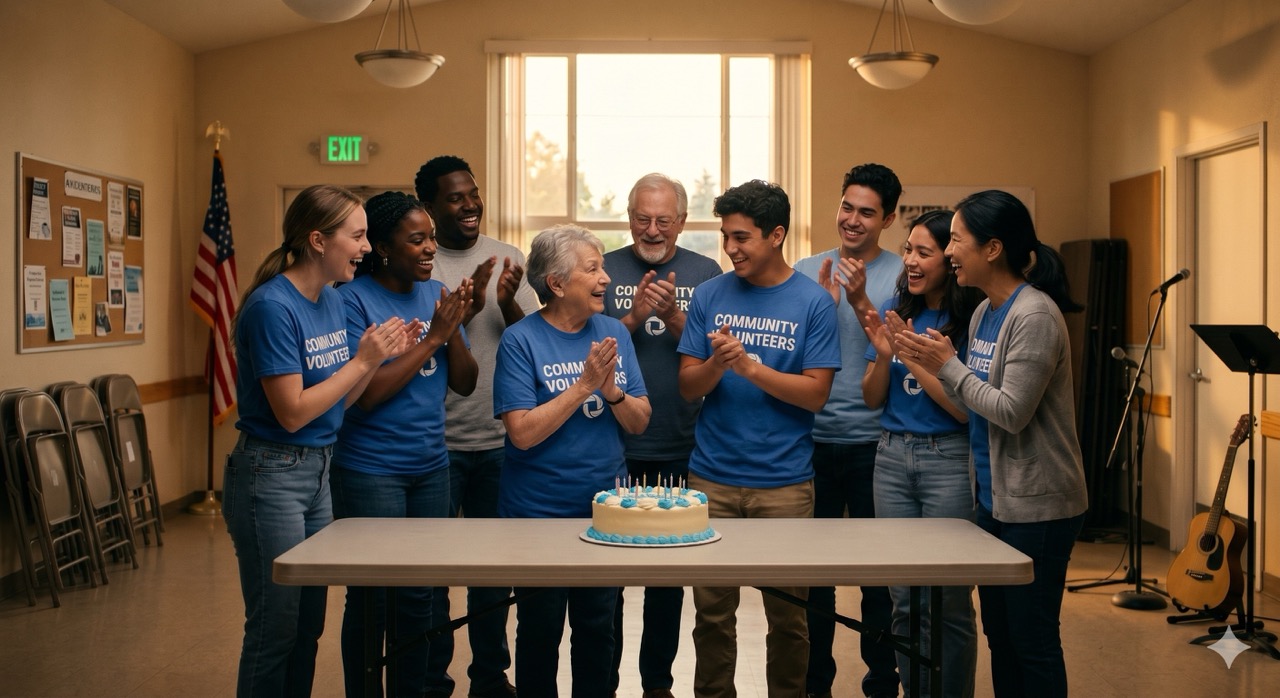
How to Spot and Save a Disengaging Volunteer
Even in the healthiest volunteer cultures, people drift. The key is catching it early.
Warning Signs
Attendance drops. Every week becomes every other week, then once a month.
Energy shifts. Quieter than usual, going through the motions.
Communication slows. Takes longer to respond, stops engaging in group chats.
They stop recruiting. Engaged volunteers bring friends. Disengaging volunteers go quiet.
Intervention Strategies
Reach out personally. A real, one-on-one conversation - not a mass text.
Listen without defending. If they share their frustration, just listen.
Offer a role change. A new challenge can reignite motivation.
Reduce the ask. One hour a week is better than zero.
Let go gracefully. Thank them sincerely. Leave the door open.
The goal isn't to prevent all attrition. It's to make sure people who leave feel respected - because they might return.
Measuring Volunteer Retention
You can't improve what you don't measure.
The Basic Retention Rate Formula
Retention Rate = (Volunteers active at end of period / Volunteers active at start of period) x 100
What to Track
30-day retention rate. What percentage of new volunteers are still active after their first month? A healthy benchmark is 50-65%.
Overall monthly retention rate. Are you holding steady, growing, or shrinking?
Shift completion rate. Low completion rates signal disengagement.
Volunteer lifetime value. How many total hours does the average volunteer contribute?
Promotion rate. What percentage of volunteers move up the development ladder?
Referral rate. High referral rates indicate a healthy culture.
Use your reporting tools to automate this tracking.
Benchmark Data
Average volunteer retention across nonprofits: ~65% year-over-year
First-time volunteer return rate (nonprofit sector): ~40-50%
High-performing campaign volunteer retention: 70-80% month-over-month during active campaign periods
Referral rate in strong volunteer programs: 25-40% of new recruits come from existing volunteers
If your numbers fall below these ranges, it's a signal to revisit your culture, not just your tactics.
How Solidarity Tech Supports These Retention Strategies
If retention is about consistency, consistent follow-up, clear progression, and timely intervention, then your system has to support those actions without relying on memory.
Solidarity Tech is a political campaign platform that operationalizes the same retention strategies outlined above.
Here’s how that translates in practice:
1. Immediate follow-up (no delays)
The moment a volunteer completes a shift or signs up, the automation engine can trigger the next touchpoint - thank-you messages, next steps, or re-engagement nudges.
2. Consistent, contextual outreach
Every interaction (calls, texts, events, shifts) is stored in one place. When you reach out, you’re not guessing - you know exactly what that volunteer has (or hasn’t) done recently.
3. Clear progression paths
Retention improves when people move forward. The platform tracks volunteer activity over time, making it easier to identify who’s ready for more responsibility and move them into stronger roles.
4. Early detection of drop-off
Instead of noticing disengagement when it’s too late, you can see changes in attendance and activity as they happen. That gives you time to intervene before volunteers fully disengage.
5. No fragmentation between tools
Retention breaks when communication, scheduling, and data live in different systems. Keeping everything in one platform removes those gaps, so volunteers don’t get lost between steps.
Final Thoughts
The most effective political campaign volunteer retention strategies aren't tactics; they're reflections of how your campaign treats people. When volunteers feel valued, developed, and connected to something meaningful, they stay and bring others with them.
Every approach in this guide points to one truth: a culture of connection will always outlast a culture of extraction. Build the kind of campaign where people grow, belong, and see their impact. That's not just a good retention strategy; it's what good organizing looks like in practice.
FAQs on Political Volunteer Retention Strategies
What's the most common reason political campaign volunteers quit?
The most common reason is feeling undervalued or disconnected. When volunteers sense the campaign sees them only as labor, they disengage. Burnout is a close second, especially in campaigns that don't set realistic expectations around time commitment.
How quickly should we follow up with new volunteers after their first shift?
Within 24-48 hours. A quick personal text or call after someone's first experience makes a huge difference. Ask how it went, what they enjoyed, and whether they have questions. This simple follow-up can significantly boost the odds that a first-time volunteer returns.
How do we retain volunteers when our campaign is losing or facing bad news?
Transparency and honesty. Volunteers can handle hard truths - what they can't handle is being kept in the dark. Share the challenges, reframe the work around long-term movement building, and remind people that organizing is about more than one election.
Should we offer incentives like gift cards or swag to retain volunteers?
Small tokens of appreciation are fine. But incentives shouldn't be your retention strategy. Research consistently shows that intrinsic motivation - purpose, community, growth - drives sustained volunteerism far more than extrinsic rewards. If you're relying on swag to keep people, something deeper is broken.
How do you retain volunteers in a long campaign (12+ months)?
Phase the work. Build in social events, training opportunities, and rest periods. Rotate people through different roles so the work stays fresh. Keep the development ladder visible - people who are growing can sustain commitment much longer than people repeating the same tasks.
What role does the candidate play in volunteer retention?
A bigger one than most candidates realize. When the candidate shows up at a volunteer event, knows a few names, and expresses genuine gratitude, it supercharges morale. Even brief, authentic interactions can turn a casual supporter into a committed organizer.
read more
Explore More Volunteer-Powered Campaign Resources
From door-to-door canvassing to digital organizing, discover how candidates build movements one volunteer at a time.
/pepz1mupm2gxk480cx7qz6e6kv1c)
What is Political Volunteer Management? Key Principles for Campaign Success
/7opkaalhgap5jqd6bnoayo9a5zwi)
How to Get Volunteers for Political Campaigns: Proven Strategies
/mx7tqjyh427qlwcaeo6q2w863pa3)
How to Volunteer for a Political Campaign and Make a Real Impact
/fo2qz4j0qu6xsmb4lk2o2kjg6smz)
What Do Political Campaign Volunteers Do? Roles & Responsibilities
/bxw0q2blmw8ssks23egrhc19x7y8)
How Youth Volunteering Can Uplift Your Election Campaigns
/83y7r5ll21ouwjfij2yvpd2hhh7v)
How to Onboard New Political Campaign Volunteers
/l22e0e0y8kwh2lgcky5yf28shu75)
How to Measure Political Campaign Volunteer Effectiveness
/in8son7z420t0la9kdsu1y8k3njq)
7 Effective Strategies for Communicating with Political Volunteers